
A considered approach to neonatal care
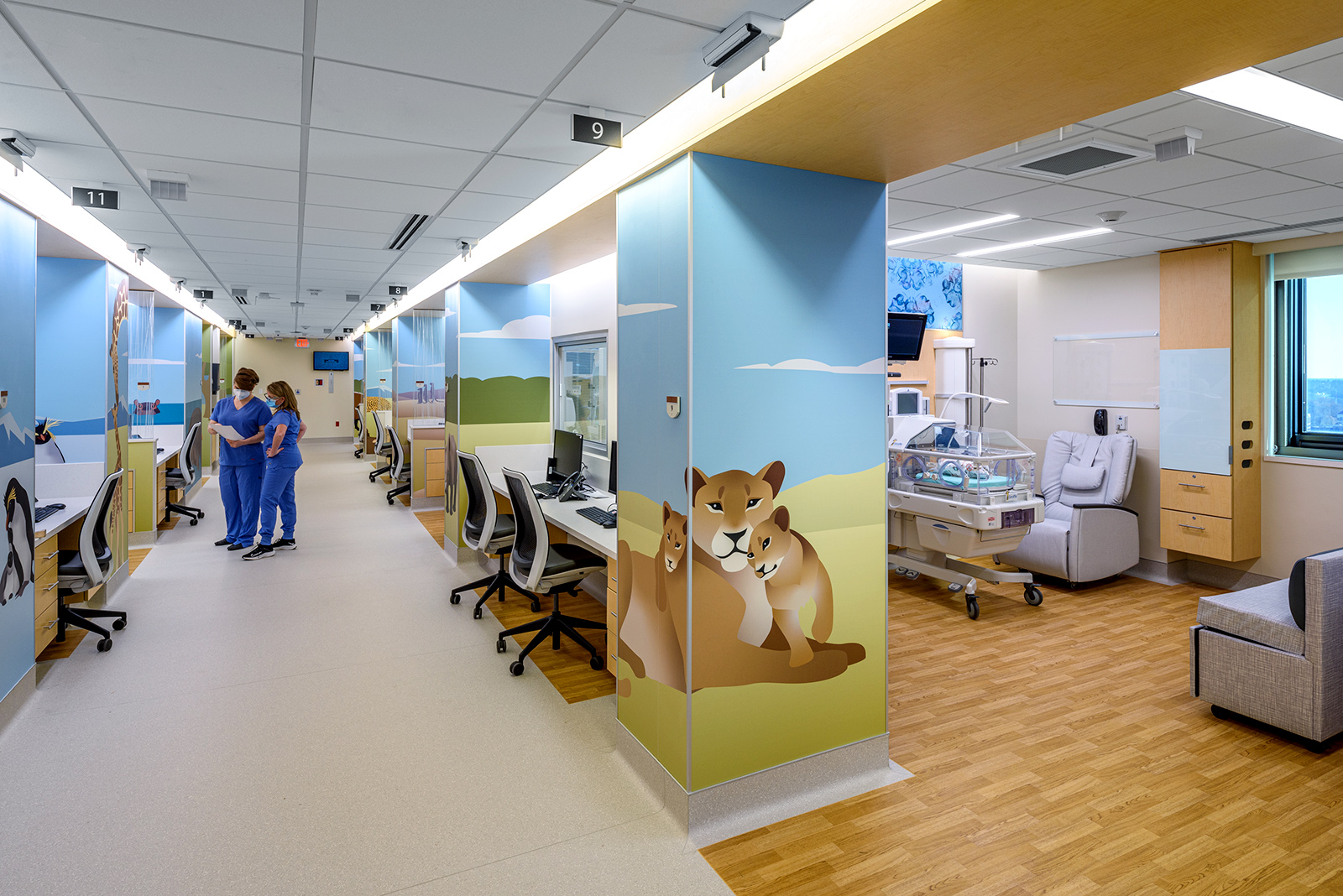
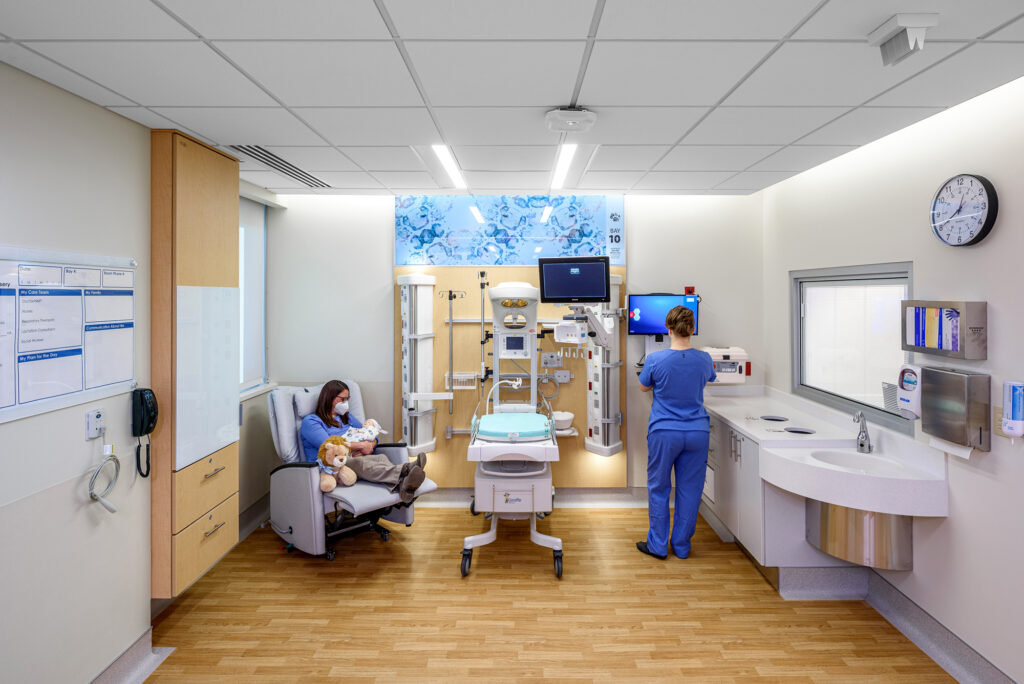
At The Christ Hospital in Cincinnati, Ohio, the renovation of the Neonatal Intensive Care Unit (NICU) called for a lighting approach responsive to the needs of premature newborns, their families, and healthcare professionals. Completed in December 2021, the project was designed by Champlin Architecture as part of the hospital’s expansion of its obstetrics services and development of a Level III NICU.
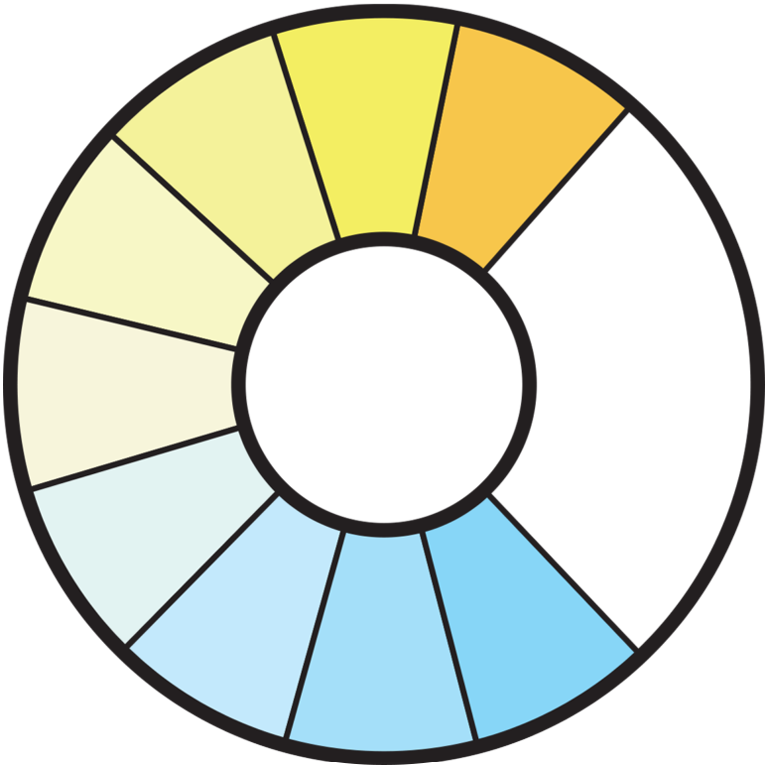
Working closely with hospital stakeholders, Champlin Architecture’s Mike Anderson, Principal-in-Charge and Lead Healthcare Designer, and Tracy Rice, Project Manager and Healthcare Designer, developed an environment that balances the clinical requirements of neonatal intensive care with a sense of comfort and reassurance. An important component of the design was the integration of BIOS SkyBlue® circadian LED technology into much of the lighting system, supporting the project’s emphasis on the relationship between light and human biological rhythms.
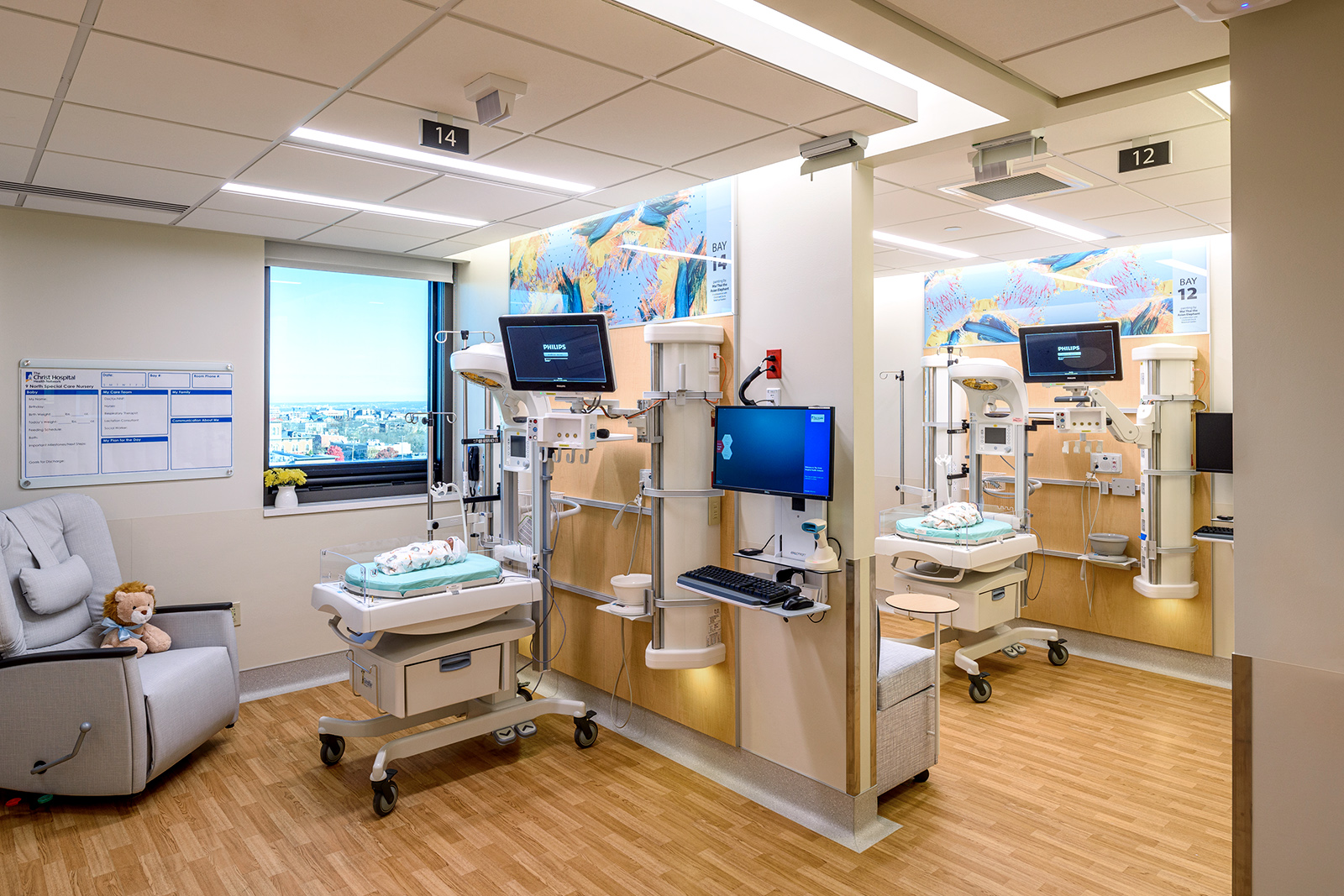
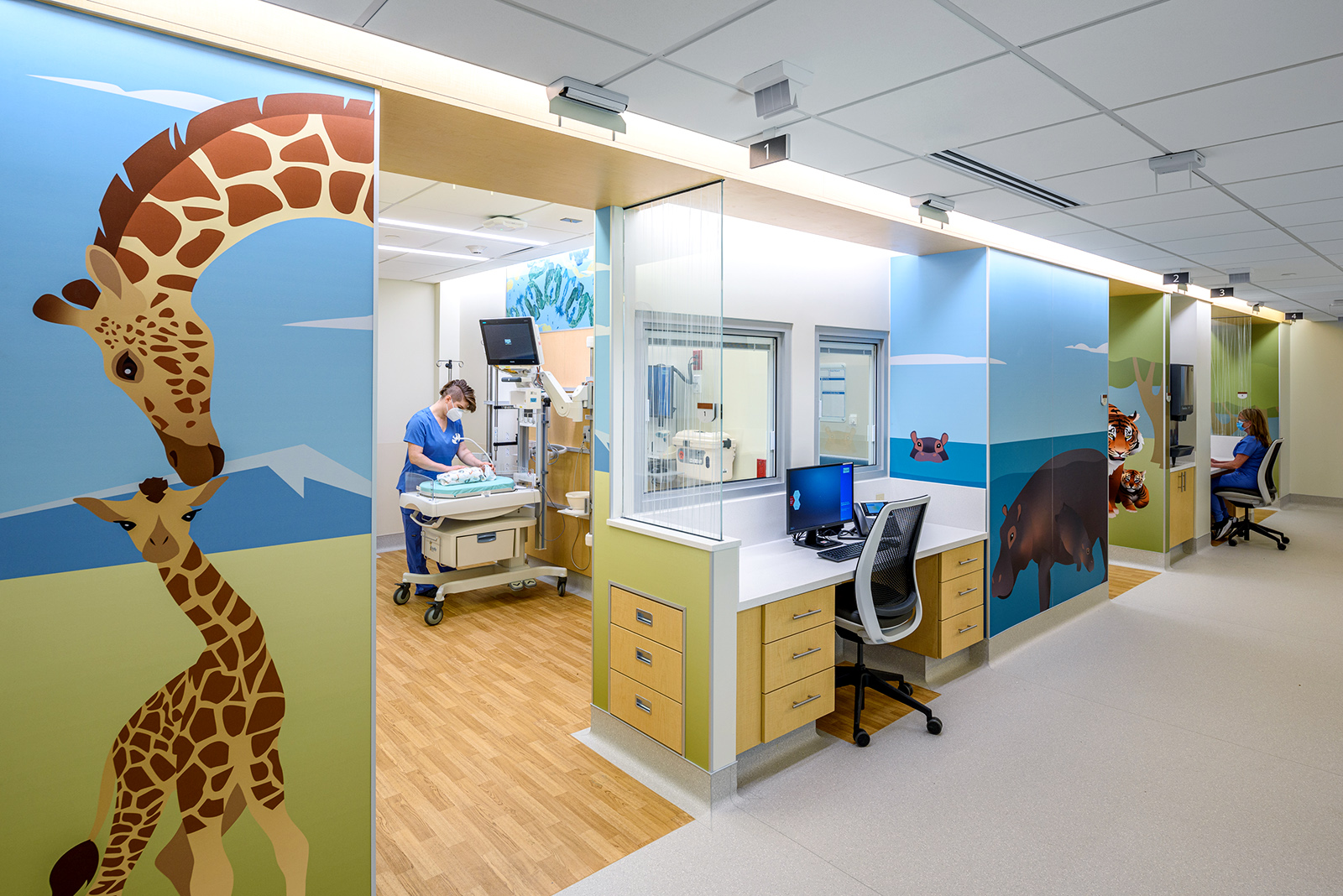
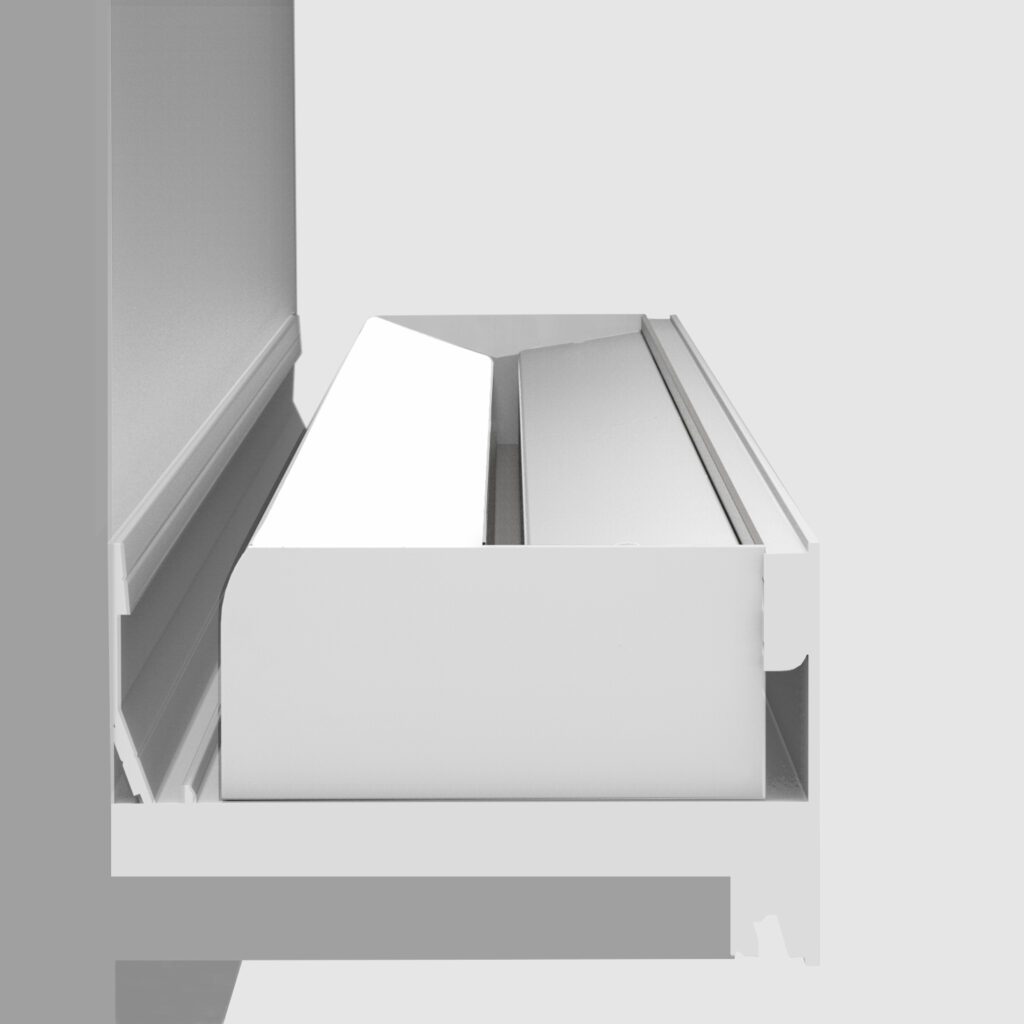
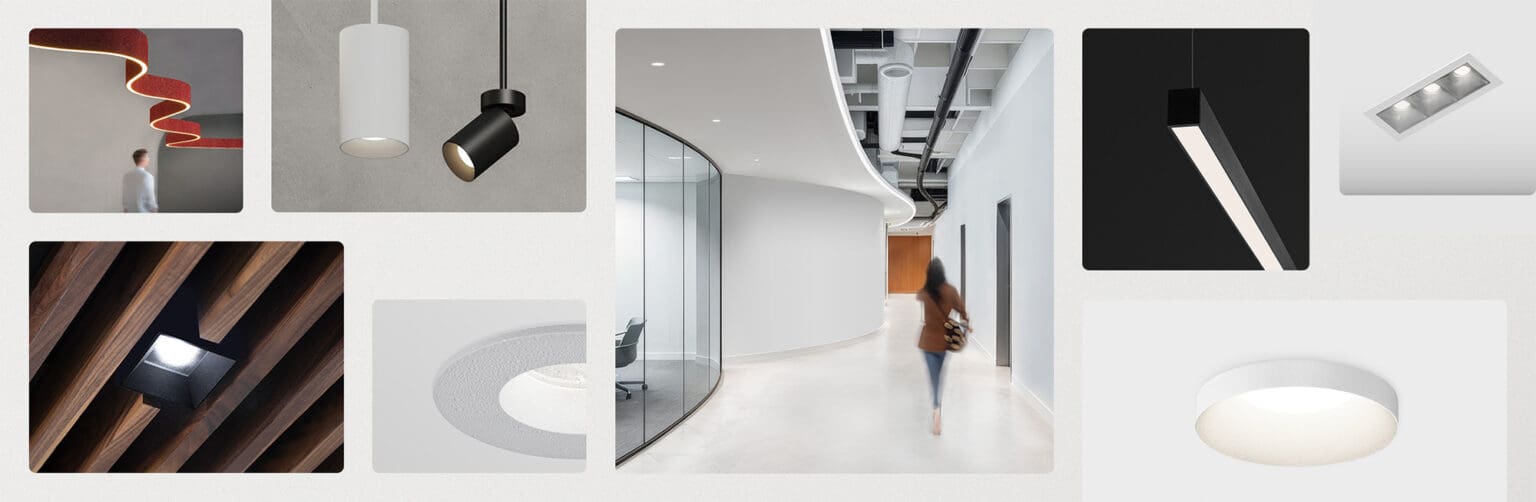
Lumenwerx supplied a range of luminaires incorporating BIOS SkyBlue® technology. Alcove fixtures provide indirect cove lighting throughout the unit, contributing to a soft, consistent quality of ambient illumination. Rize luminaires serve as examination lighting, with multiple light source and control options to accommodate clinical requirements. Additional luminaires from the Voilà, Via, Nova, and Pop families complete the lighting scheme.
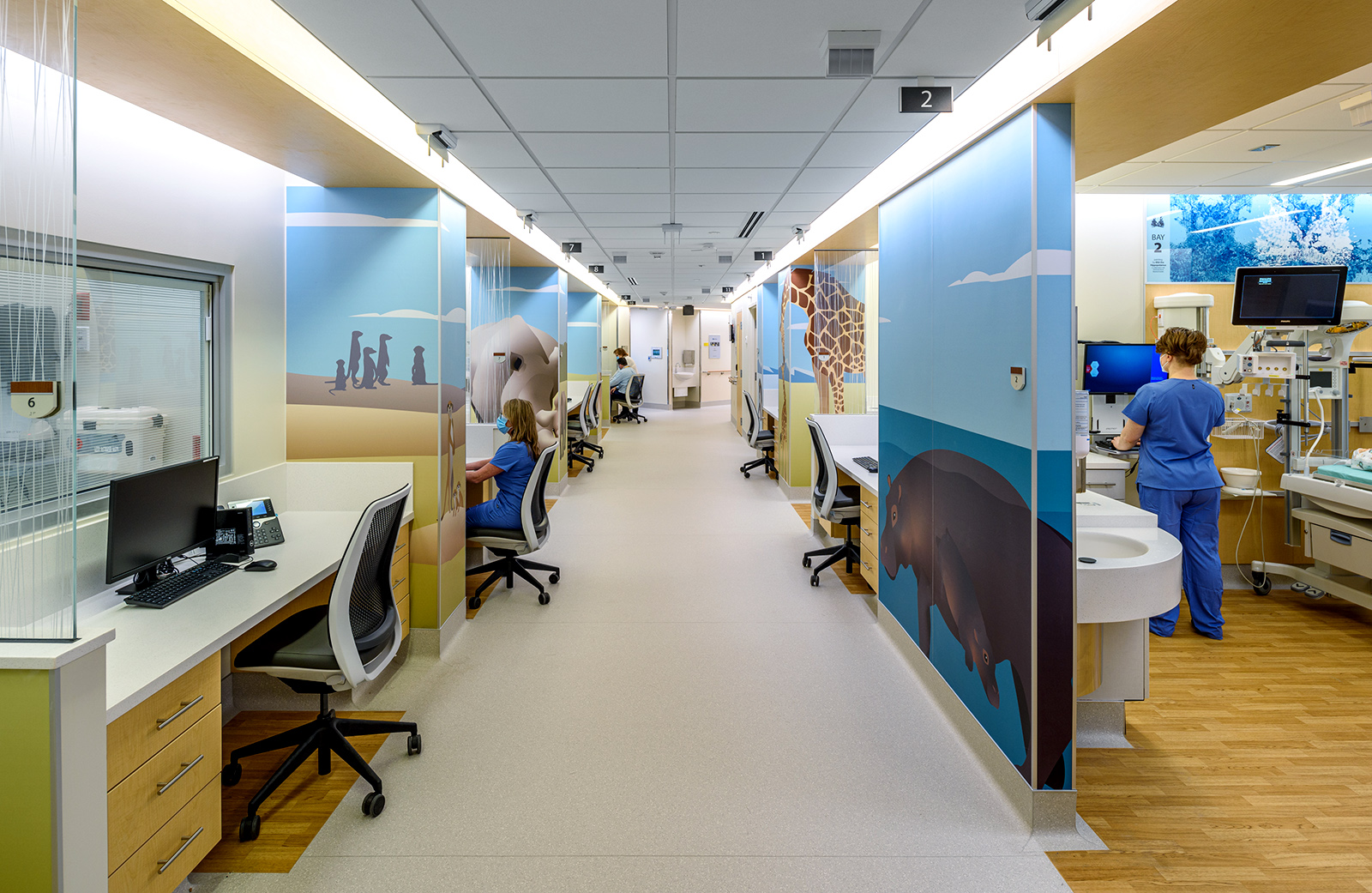
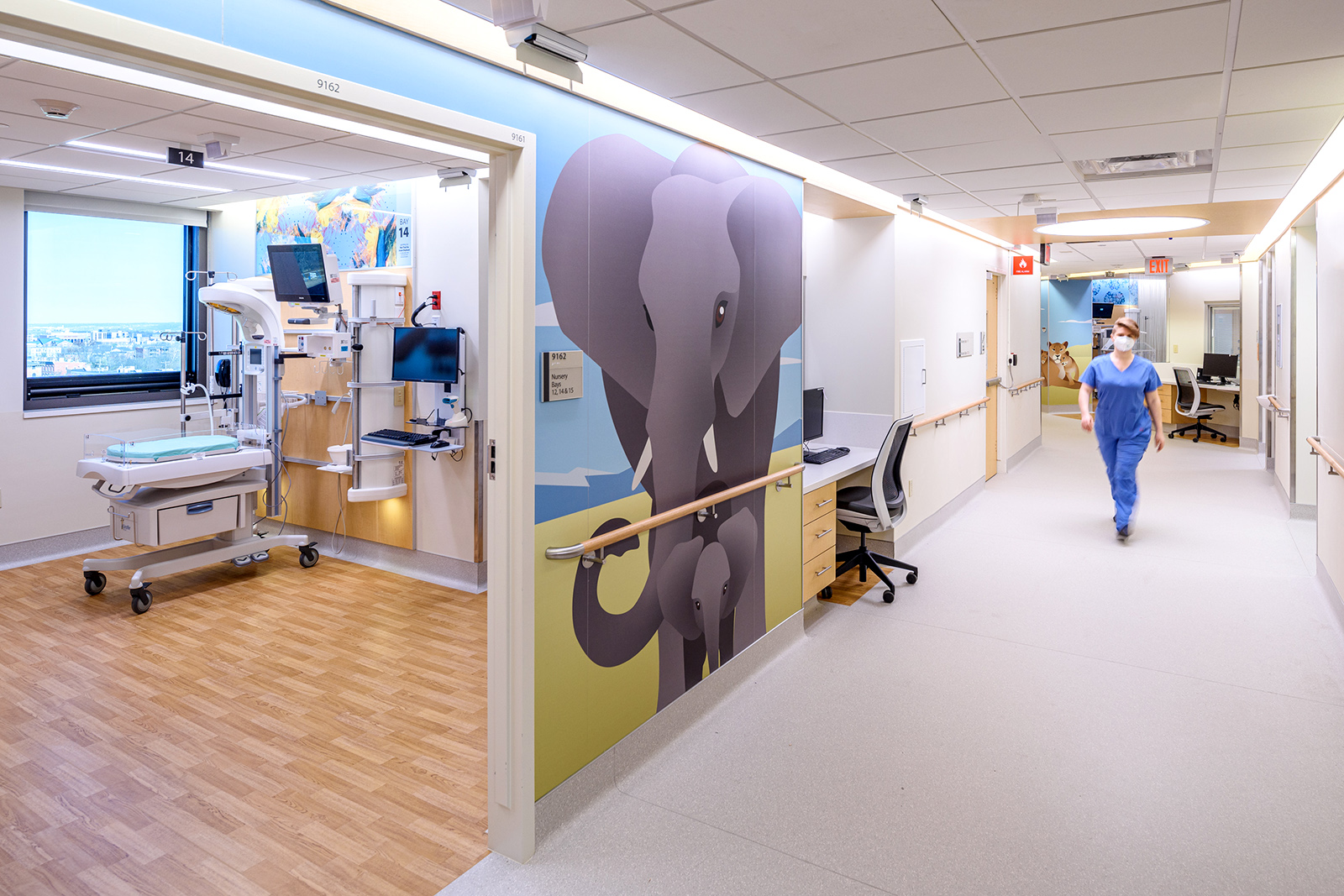
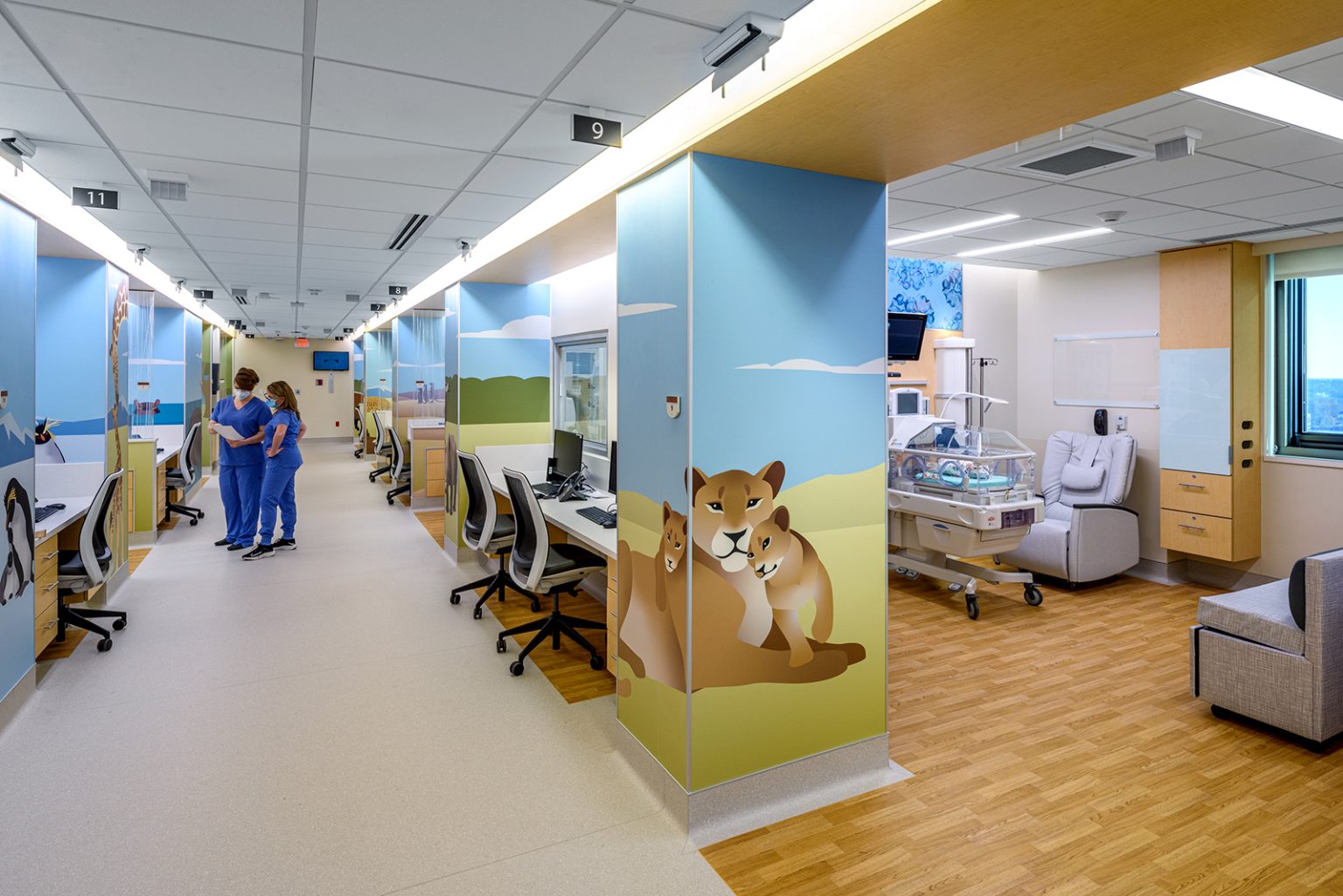
Beyond its technical requirements, the renovation introduces a distinctive visual identity inspired by the Cincinnati Zoo. Conceived by Champlin Architecture’s Mike Anderson, the concept brings together artwork created by zoo animals and imagery celebrating newborns. The result is a playful yet thoughtful environment that offers moments of warmth and familiarity within a highly specialized healthcare setting.
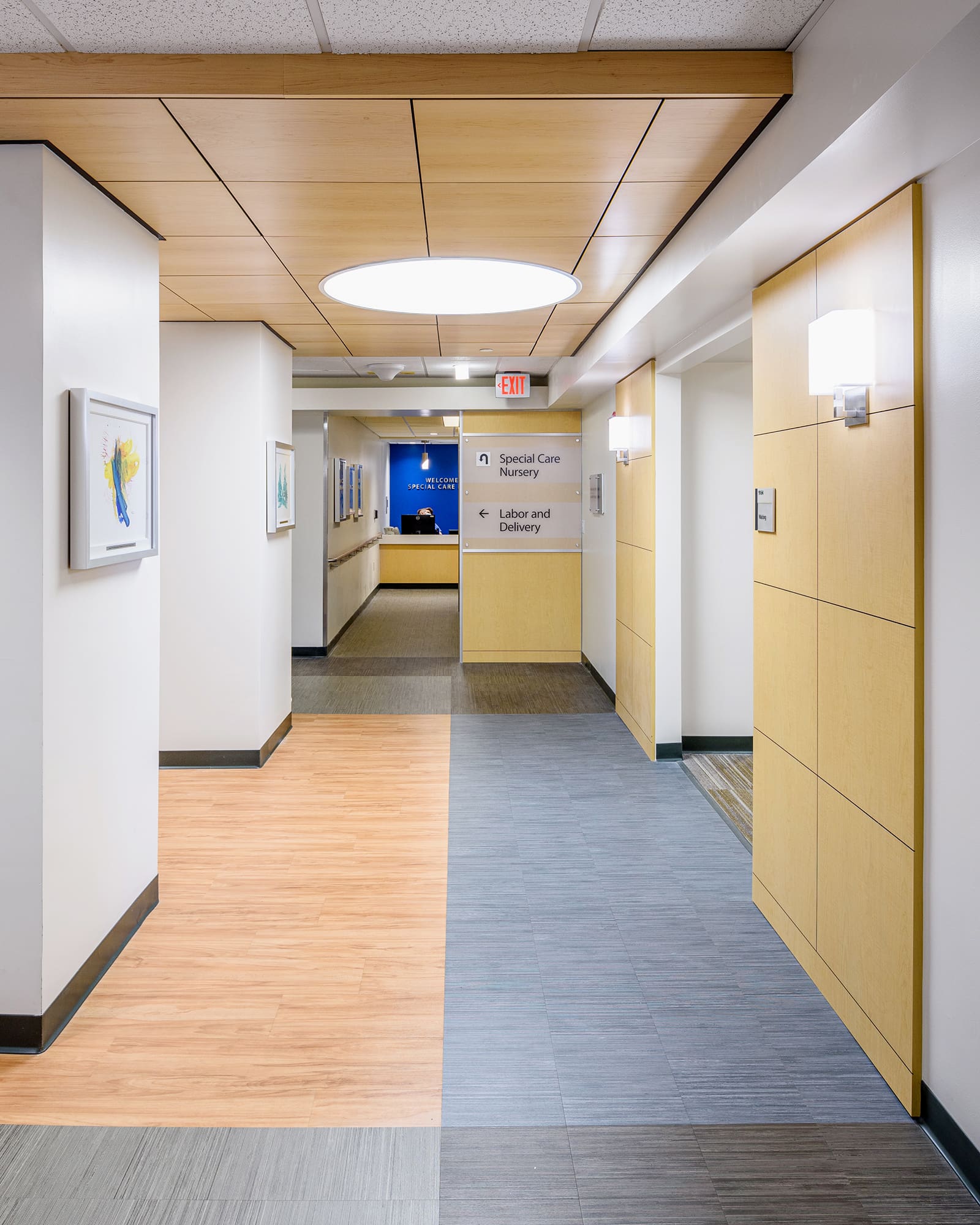
Together, the architectural design, carefully selected lighting solutions, and distinctive visual elements give the NICU a sense of place, creating an environment attentive to both the clinical and human dimensions of neonatal care.